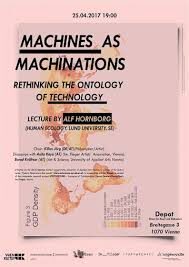




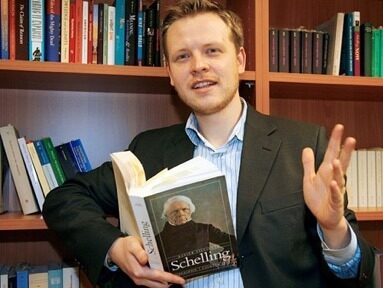


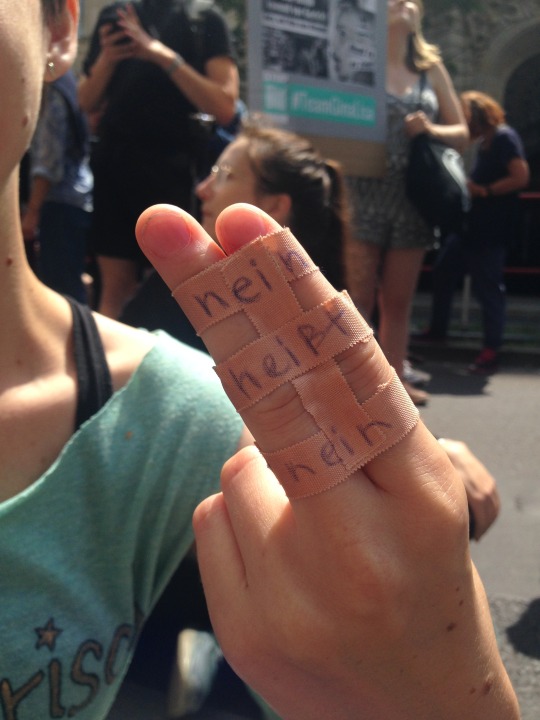
von Kilian Jörg featuring Alf Hornborg “I am very happy to announce that – with the kind support of the Arts&Science Department of the University of Applied Arts and Im_flieger – I managed

There is a strange feeling that defines the present moment: the sense that everything is speeding up, yet nothing is truly moving forward. Technology becomes more powerful every year, communication
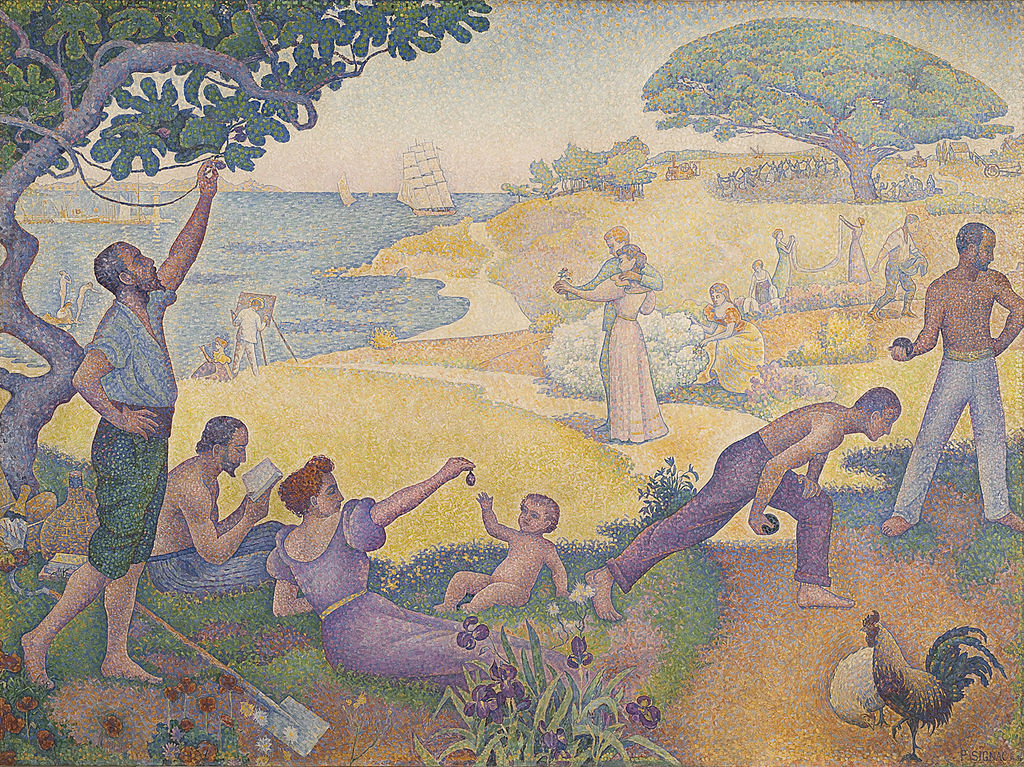
by Demi Spriggs and Konstantinos Argyriou Contested Editing This article is an experimental research photography and writing piece, that attempts to put forward the use of fakes to rearticulate stories
von Felix Maschewski und Anna-Verena Nosthoff „Alles lebt ausschließlich auf der Grundlage seines Verschwindens, und wenn man die Dinge in aller Hellsichtigkeit interpretieren will, muß man es unter Berücksichtigung ihres Verschwindens
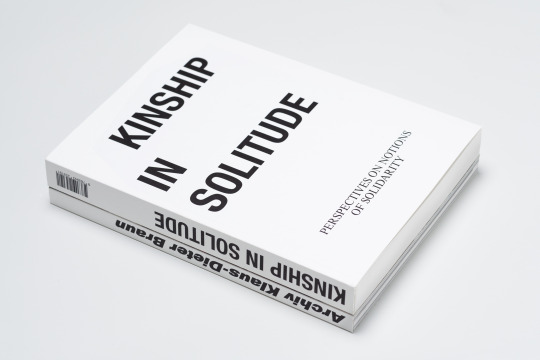
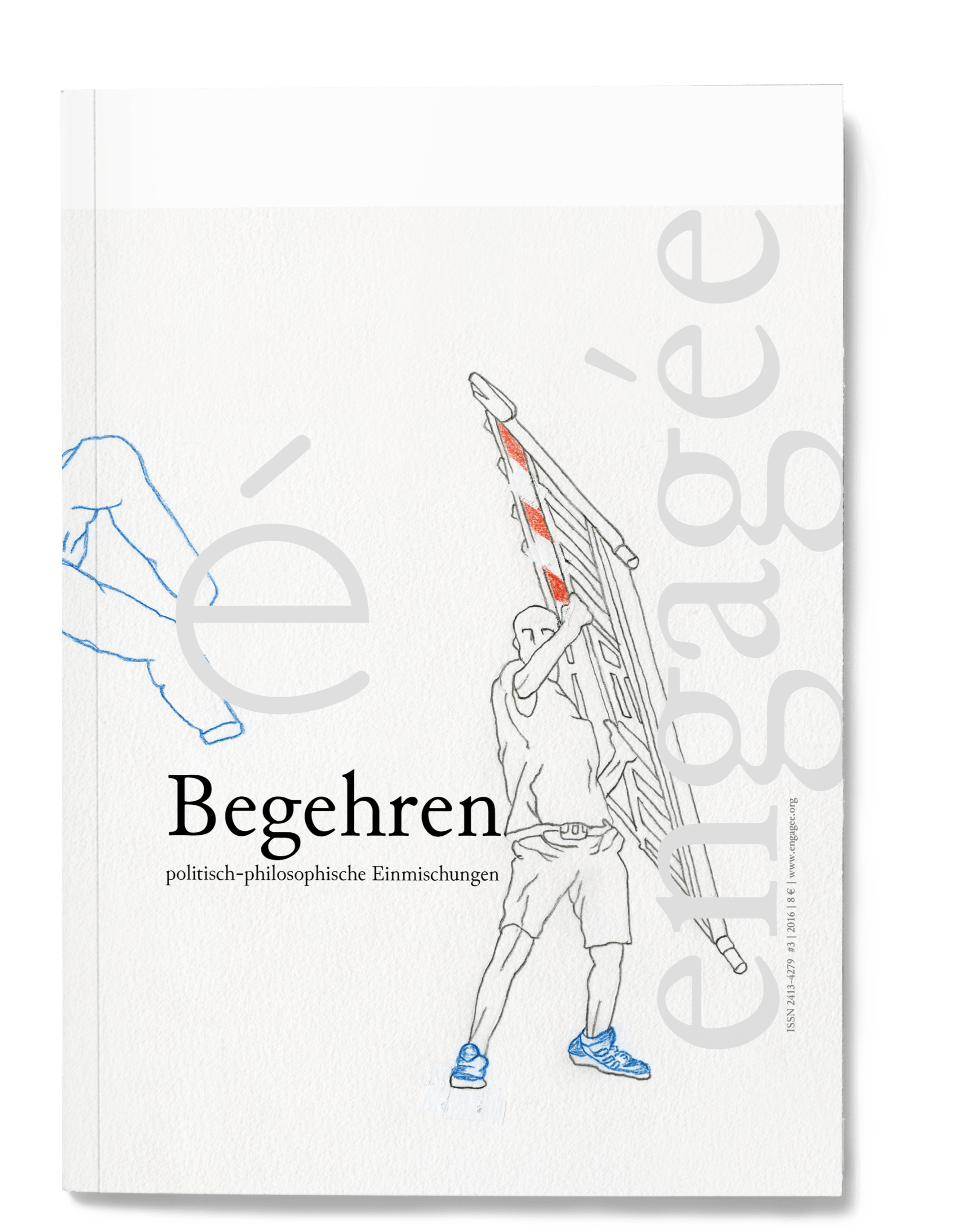
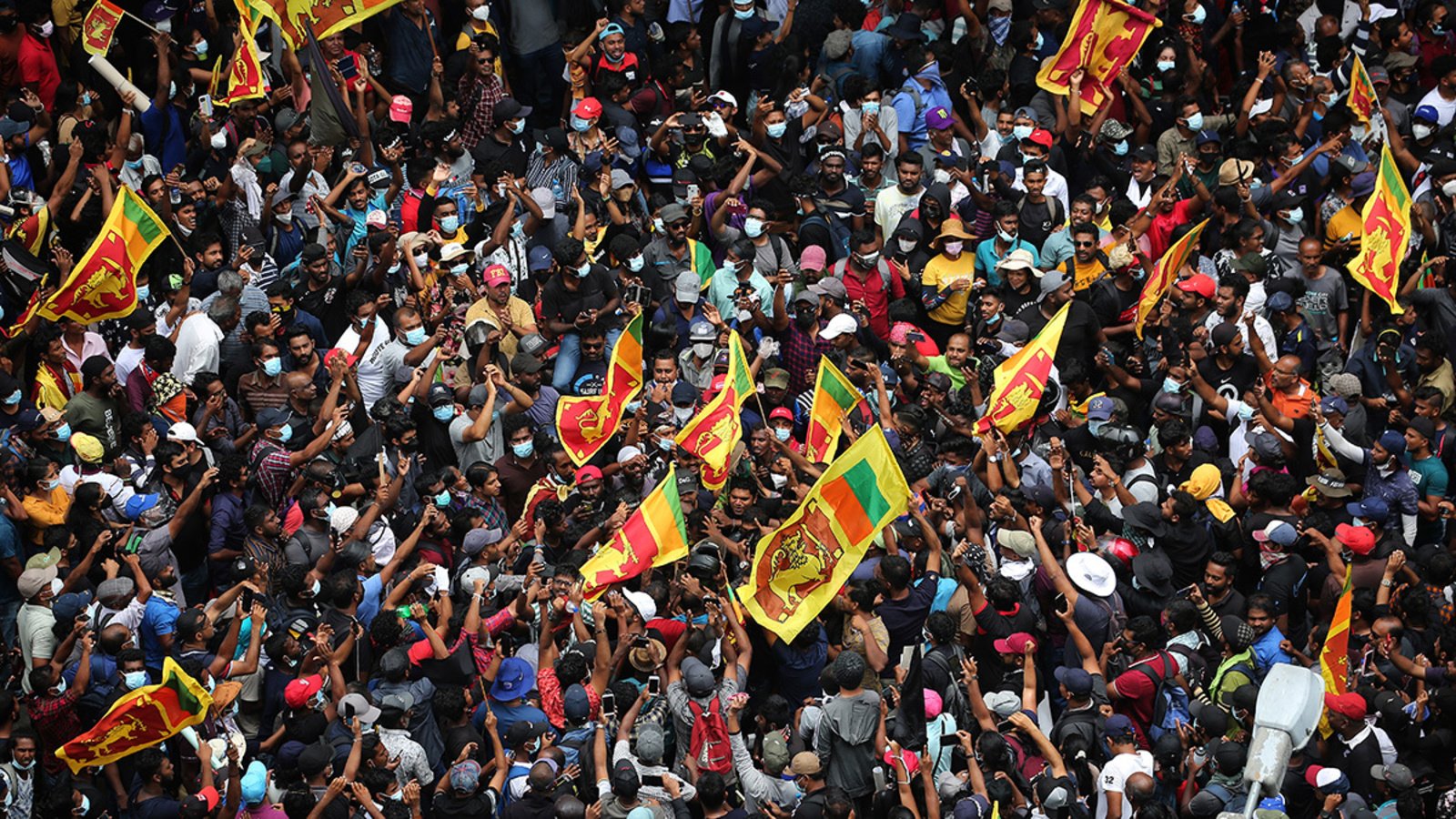
von Anna Jehle und PaulBuckermann Der Begriff und die Idee von Solidarität ist tief im Mythos der europäischen Moderne verwurzelt und wirkt beizeiten genauso angestaubt wie jene. Den teilweise ritualisierten Solidaritätsbekundungen oder
01
 02
02
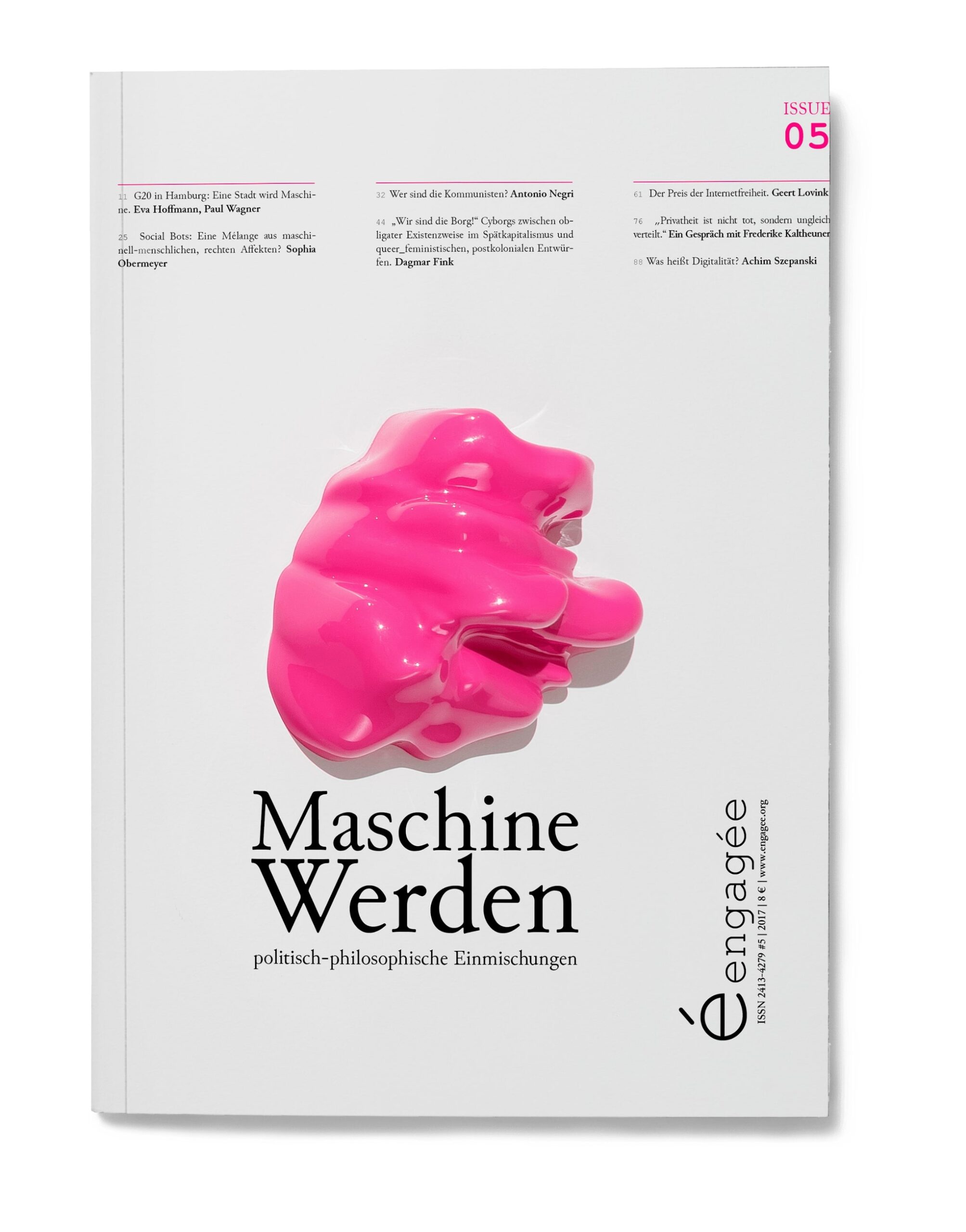
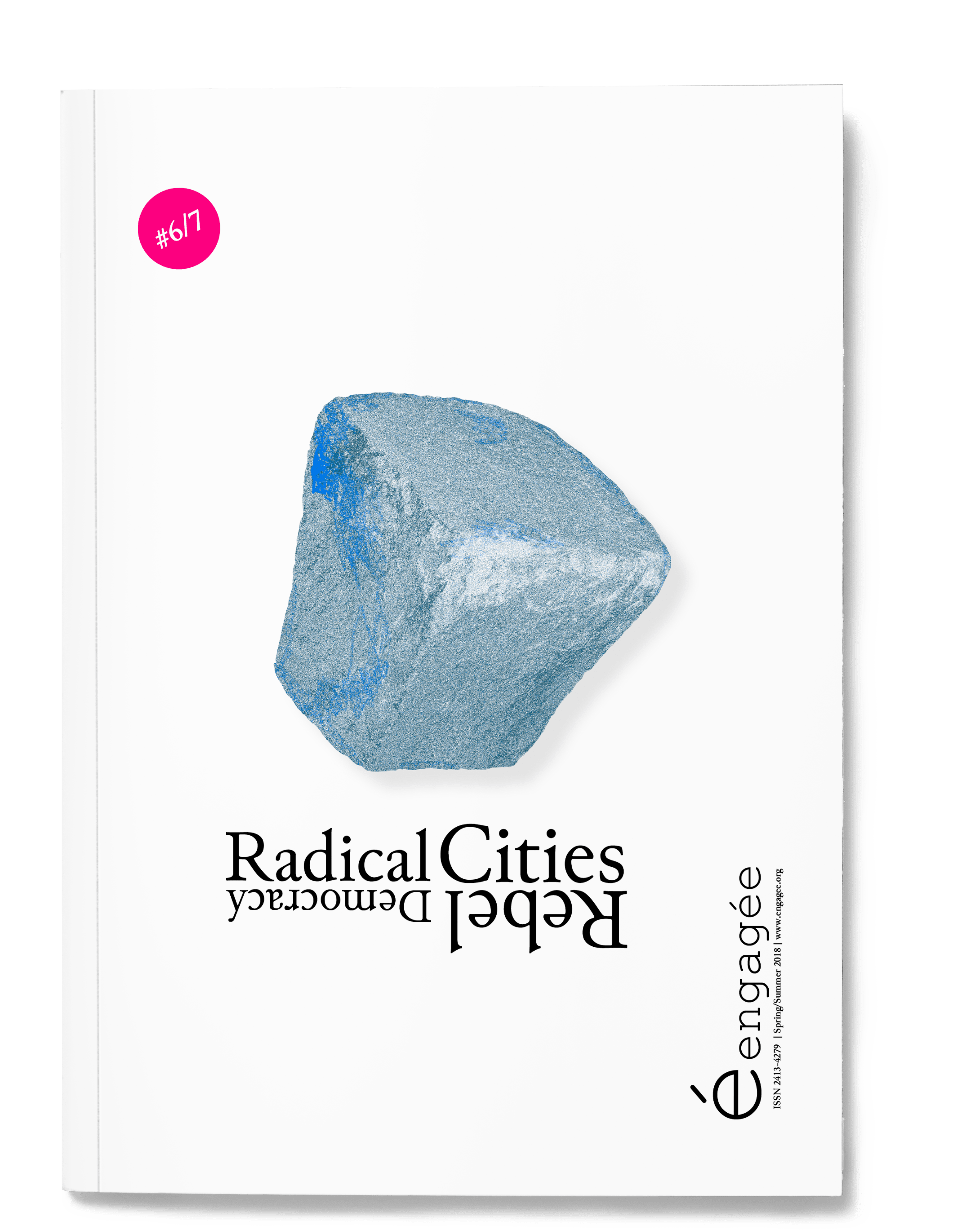
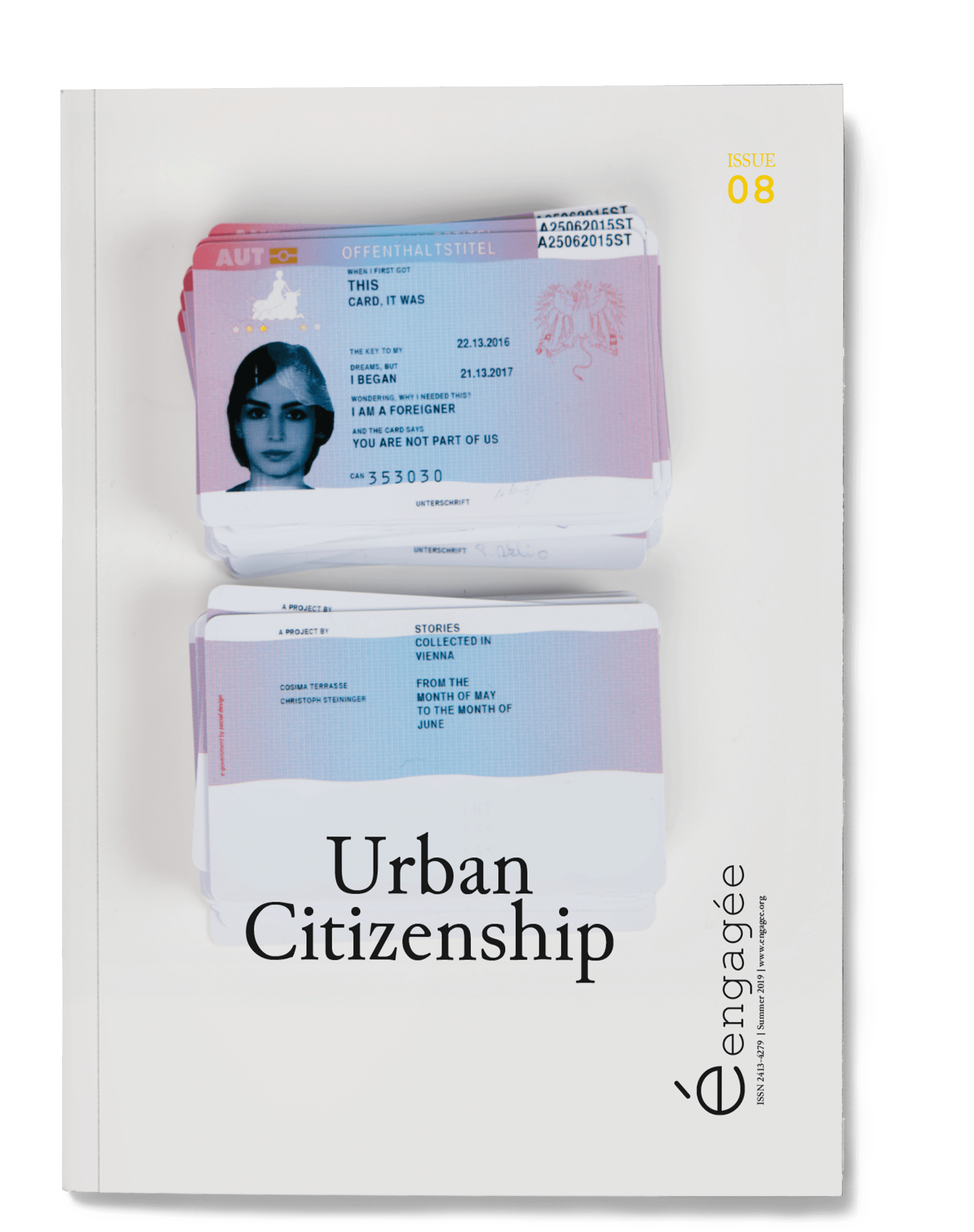
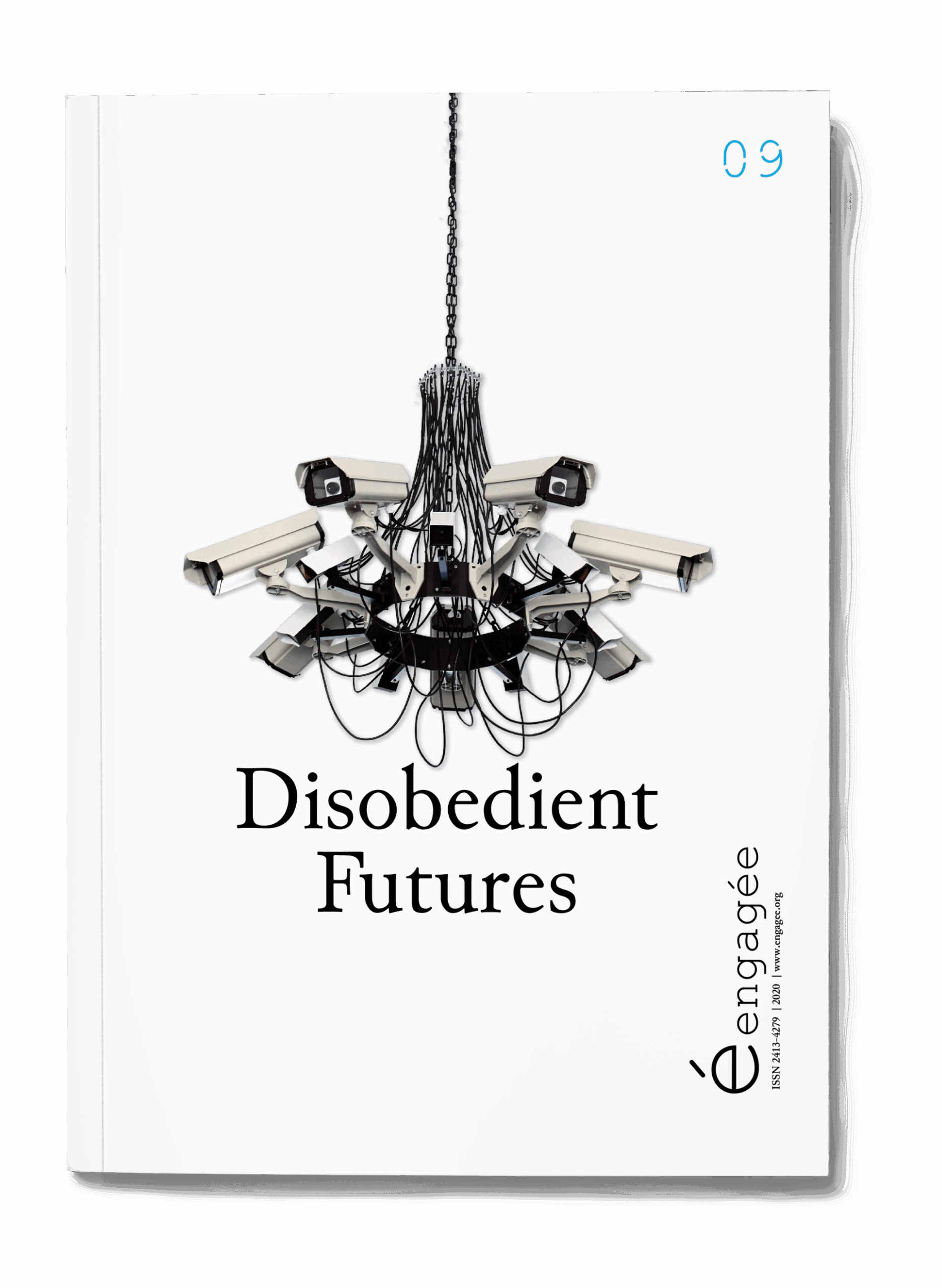

 01
01
It’s hard to point to a single moment when society became “digital.” There was no switch flipped overnight, no clear before and after. Instead, what we’ve been living through is

 02
02
The 1996 U.S. presidential election is often remembered for something political analysts called the “gender gap.” Women voted for Bill Clinton over Bob Dole by a wide margin (59% to
 03
03
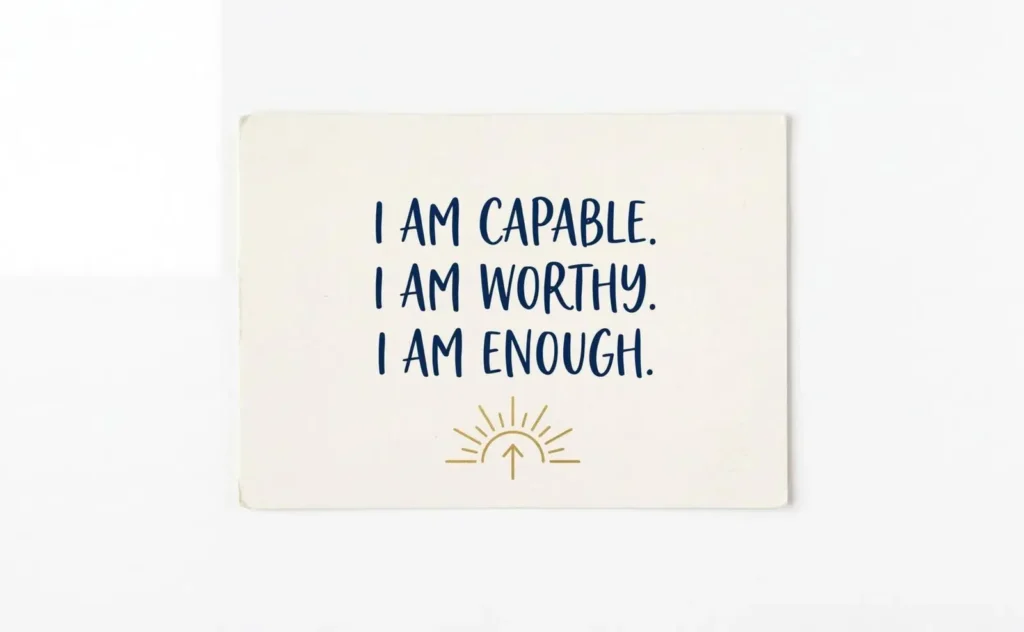
Most people roll their eyes when they hear the word “affirmations.” And honestly, that reaction makes sense. A lot of what circulates online feels fake, overly positive, or completely disconnected
04
There is a strange feeling that defines the present moment: the sense that everything is speeding up, yet nothing is truly moving forward. Technology becomes more powerful every year, communication
 05
05
It is possible for acts of care to be simultaneously admirable and politically problematic. Caring for others, communities, or democratic processes may improve immediate conditions while still unintentionally sustaining systems
 06
06
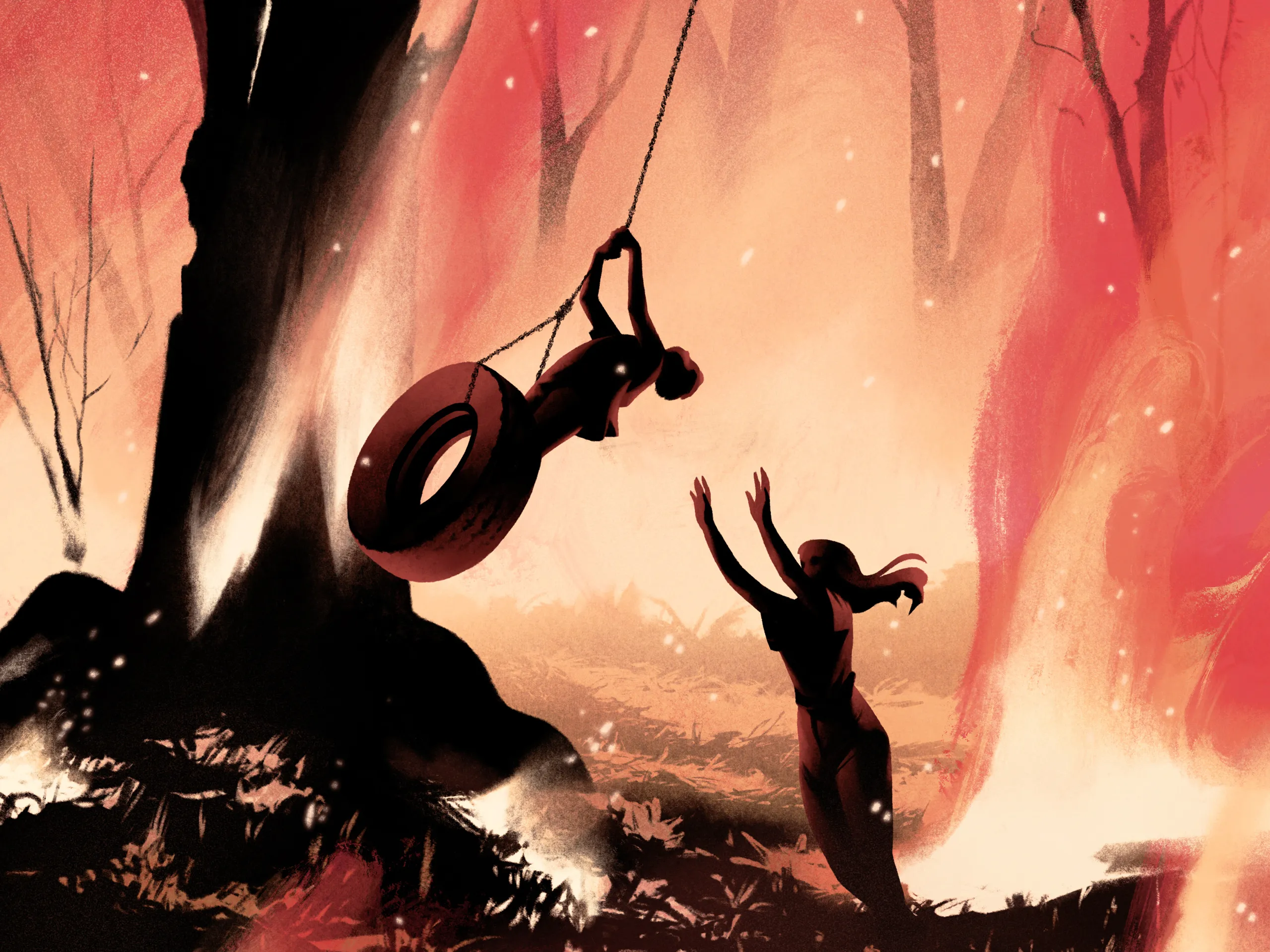
Abstract When humanity faces the possibility of self-destruction, is survival the only meaningful question left? Or should we also ask whether different kinds of “ending” exist—some imposed by a few,