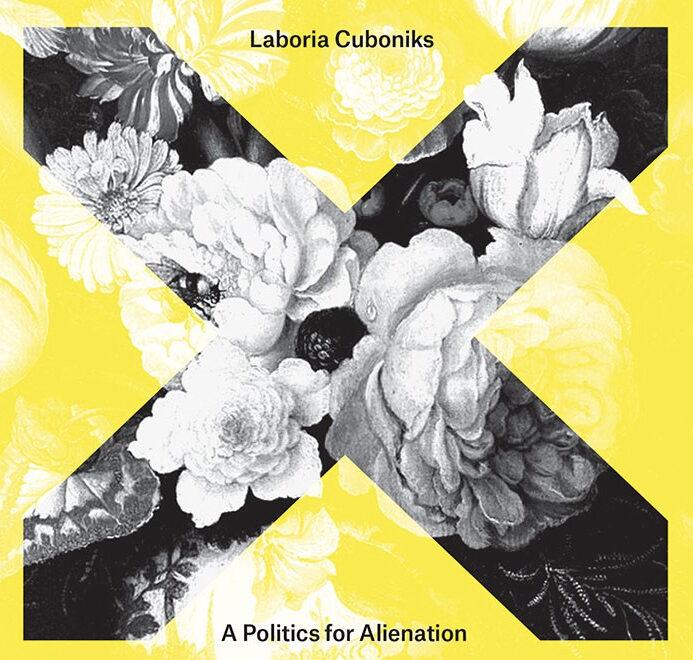





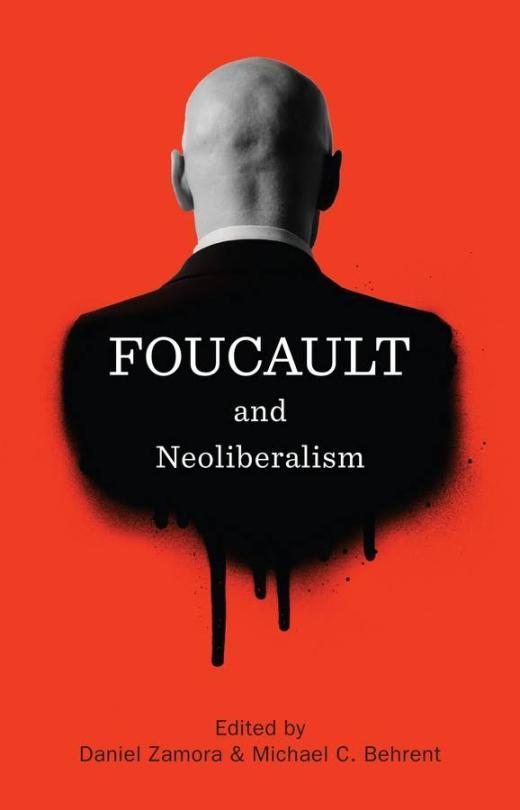





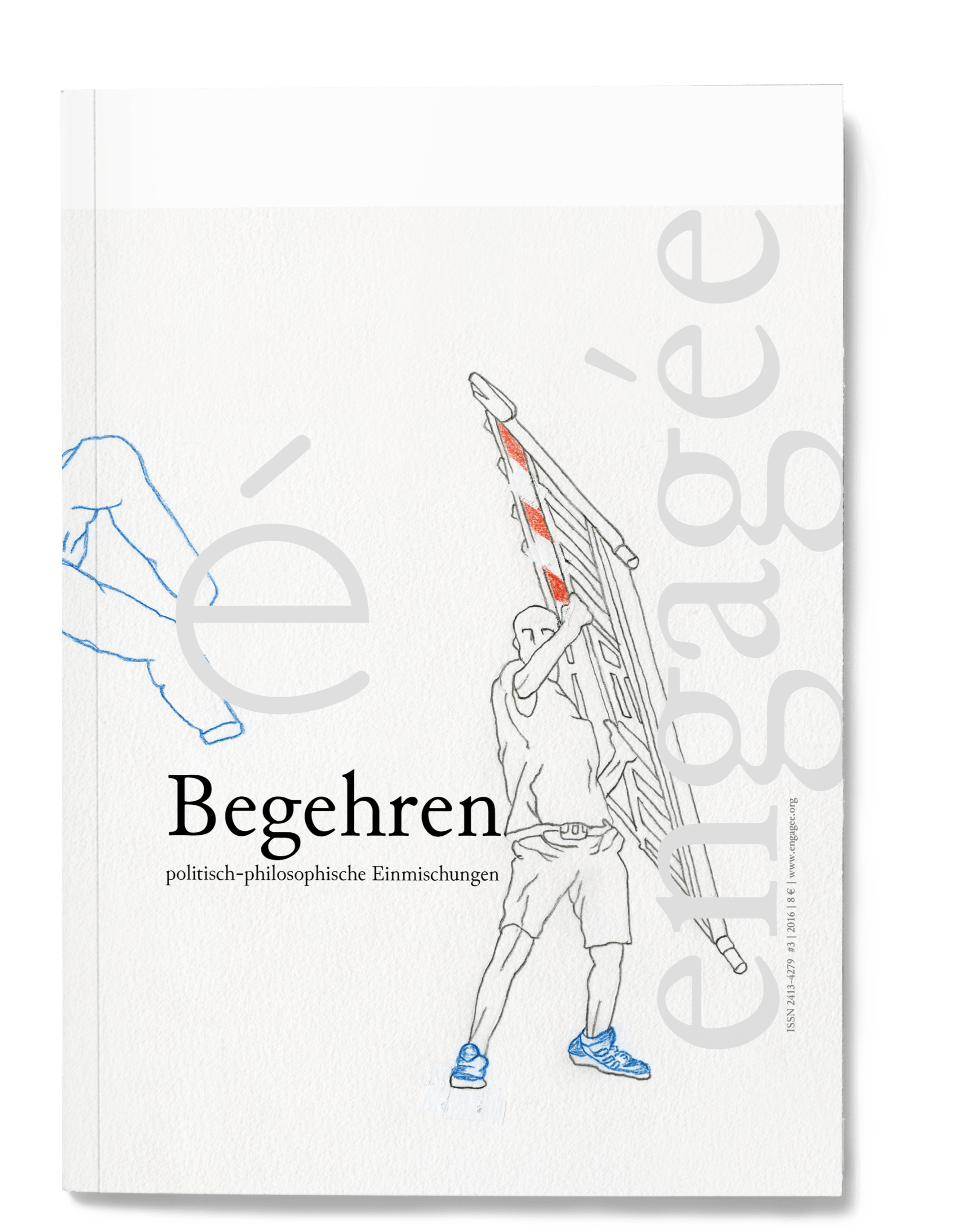
von Amadeus Ulrich I Das Buchcover von Foucault and Neoliberalism zeigt Michel Foucault vor einem blutroten Hintergrund. Er trägt eine dunkle Anzugsjacke, die zerläuft wie Tinte, und dreht den Betrachtenden den Rücken

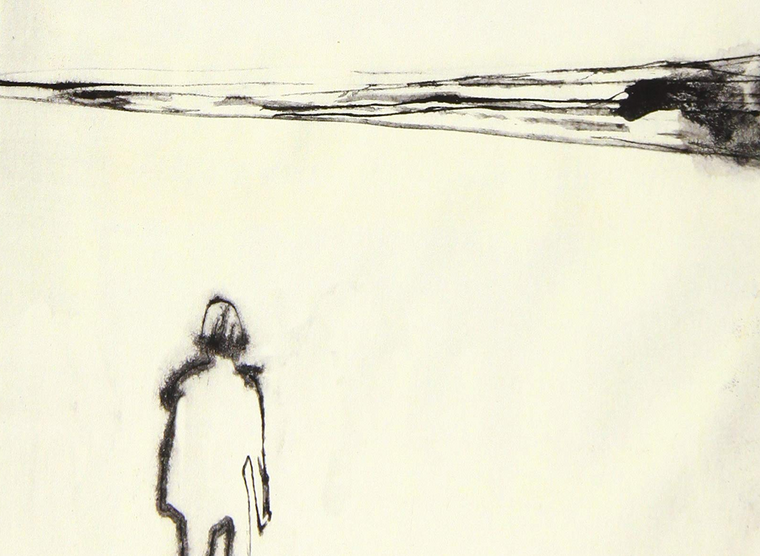
von Bernhard Jarosch Wie lassen sich Missstände kritisieren? In aller Regel – und insbesondere in den (Geistes-)Wissenschaften – sind die Ansätze dazu so einfühlsam wie Abstandshalter. Mit den Dingen, die man bespricht,
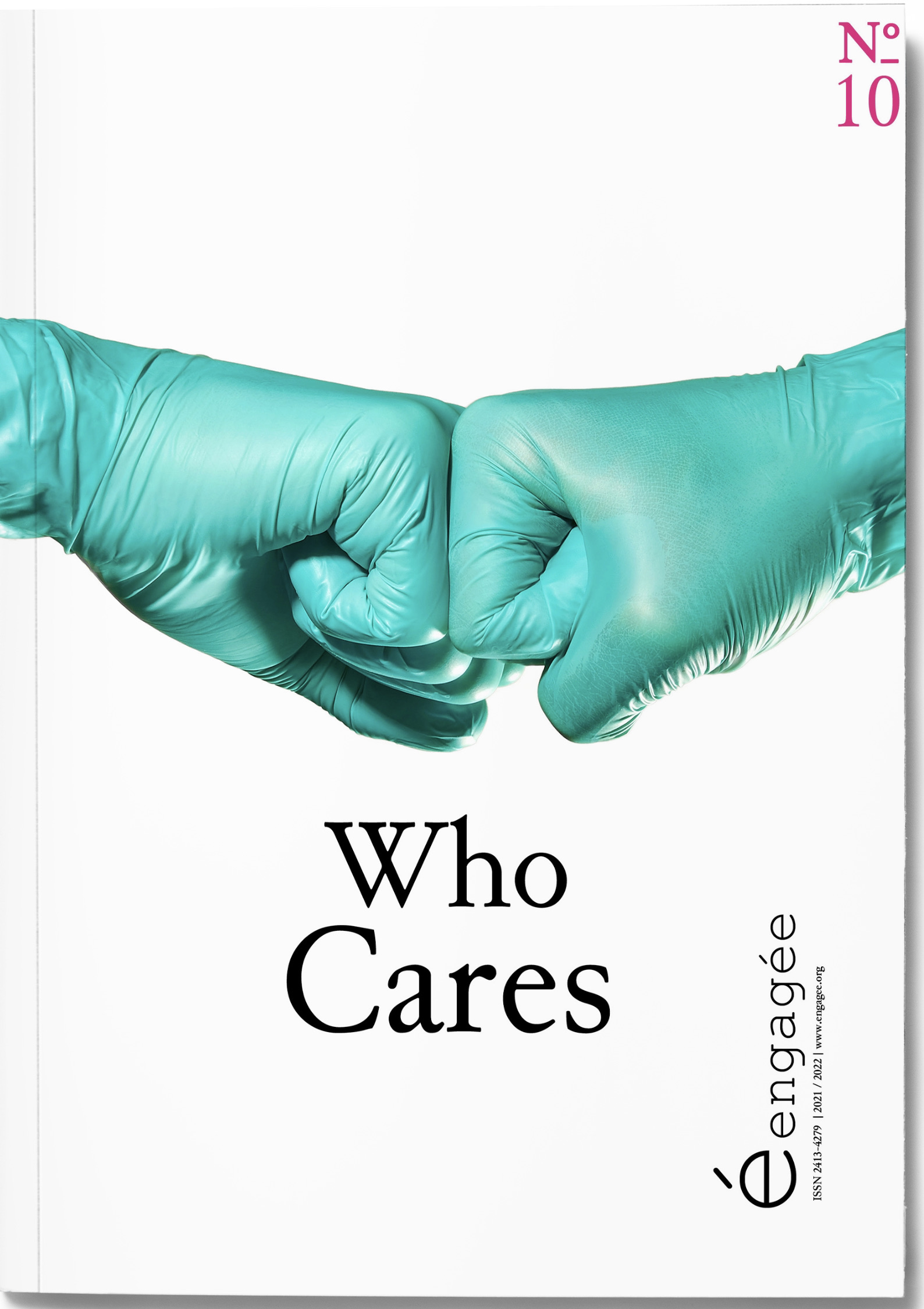
It is possible for acts of care to be simultaneously admirable and politically problematic. Caring for others, communities, or democratic processes may improve immediate conditions while still unintentionally sustaining systems
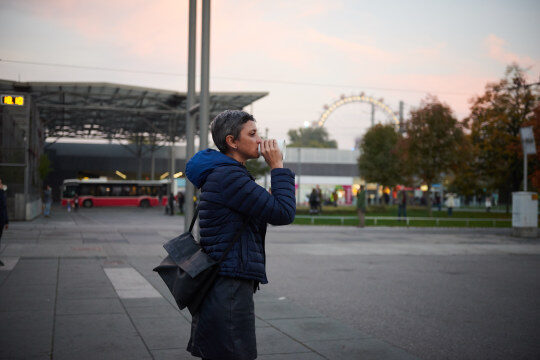
//Textmontage zur künstlerischen Intervention EXPLOSION DERSTILLE am 19.10.2017 auf dem Praterstern in Wien von Claudia Bosse eine versammlung, eine konstellation von körpern. körper, die den öffentlichen raum durchsetzen, grenzen, zonen
// Reflections on the book launch: Michael Hardt and Antonio Negri ‘Assembly’ | Westminster University, London, 12th October 2017 von Alessio Kolioulis and Rahel Süß Thebook launch of Assembly at
01
 02
02

 01
01
It’s hard to point to a single moment when society became “digital.” There was no switch flipped overnight, no clear before and after. Instead, what we’ve been living through is

 02
02
The 1996 U.S. presidential election is often remembered for something political analysts called the “gender gap.” Women voted for Bill Clinton over Bob Dole by a wide margin (59% to
 03
03
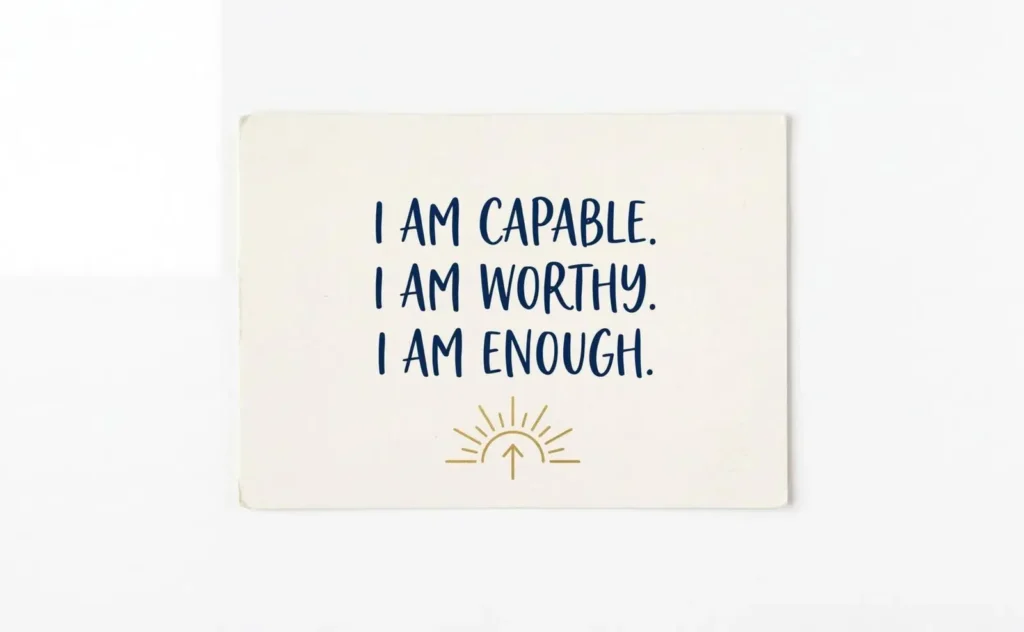
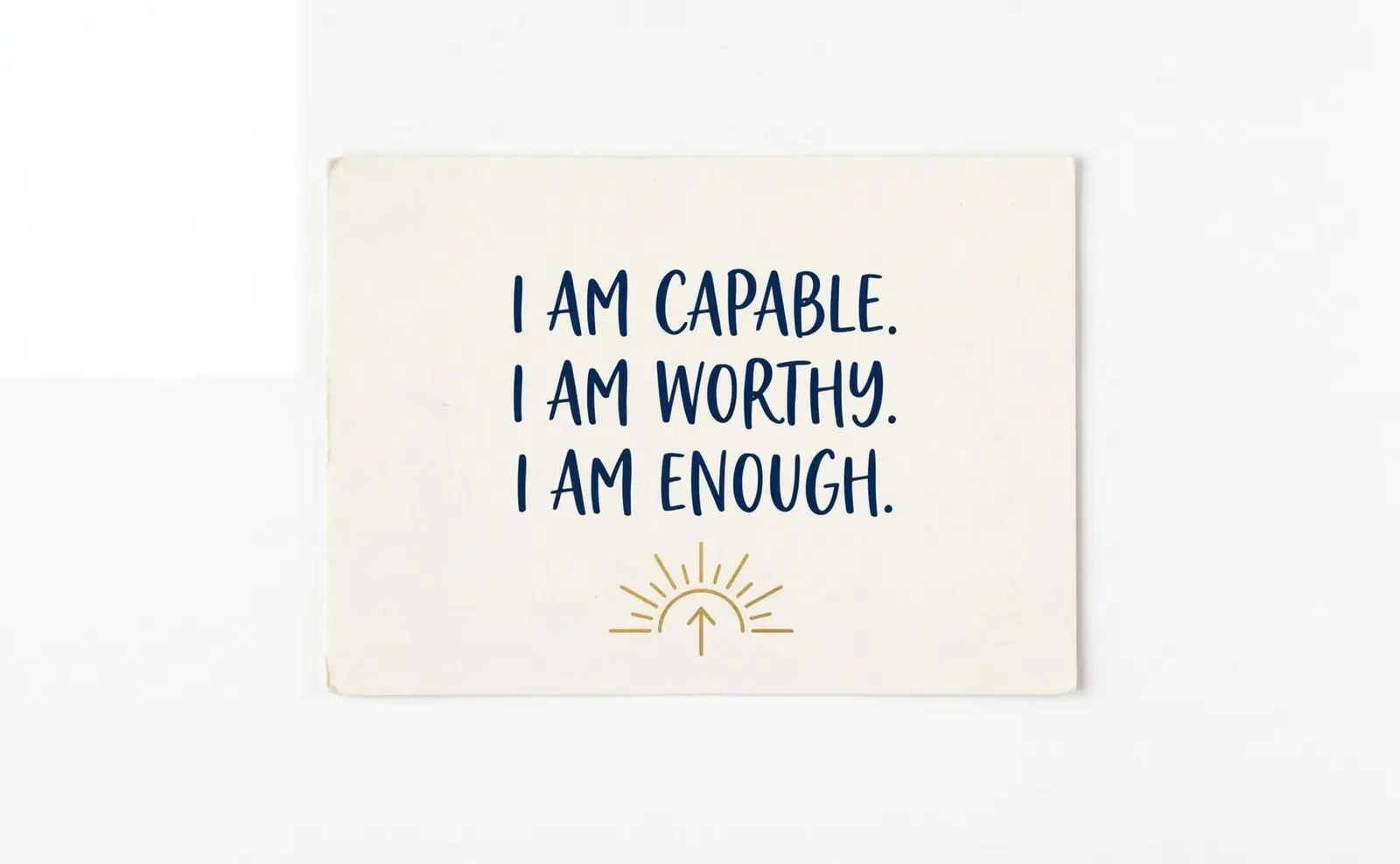
Most people roll their eyes when they hear the word “affirmations.” And honestly, that reaction makes sense. A lot of what circulates online feels fake, overly positive, or completely disconnected
04
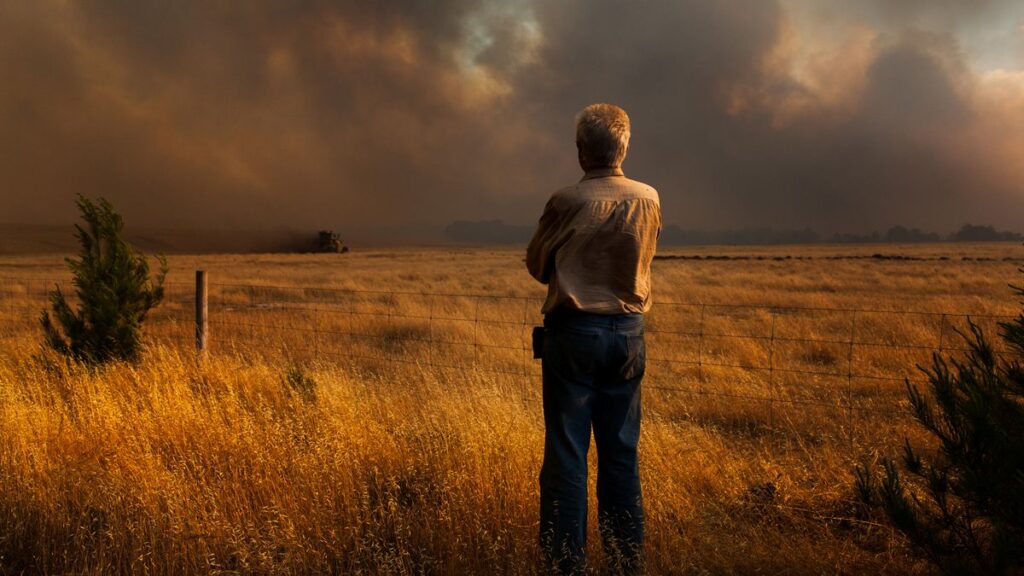
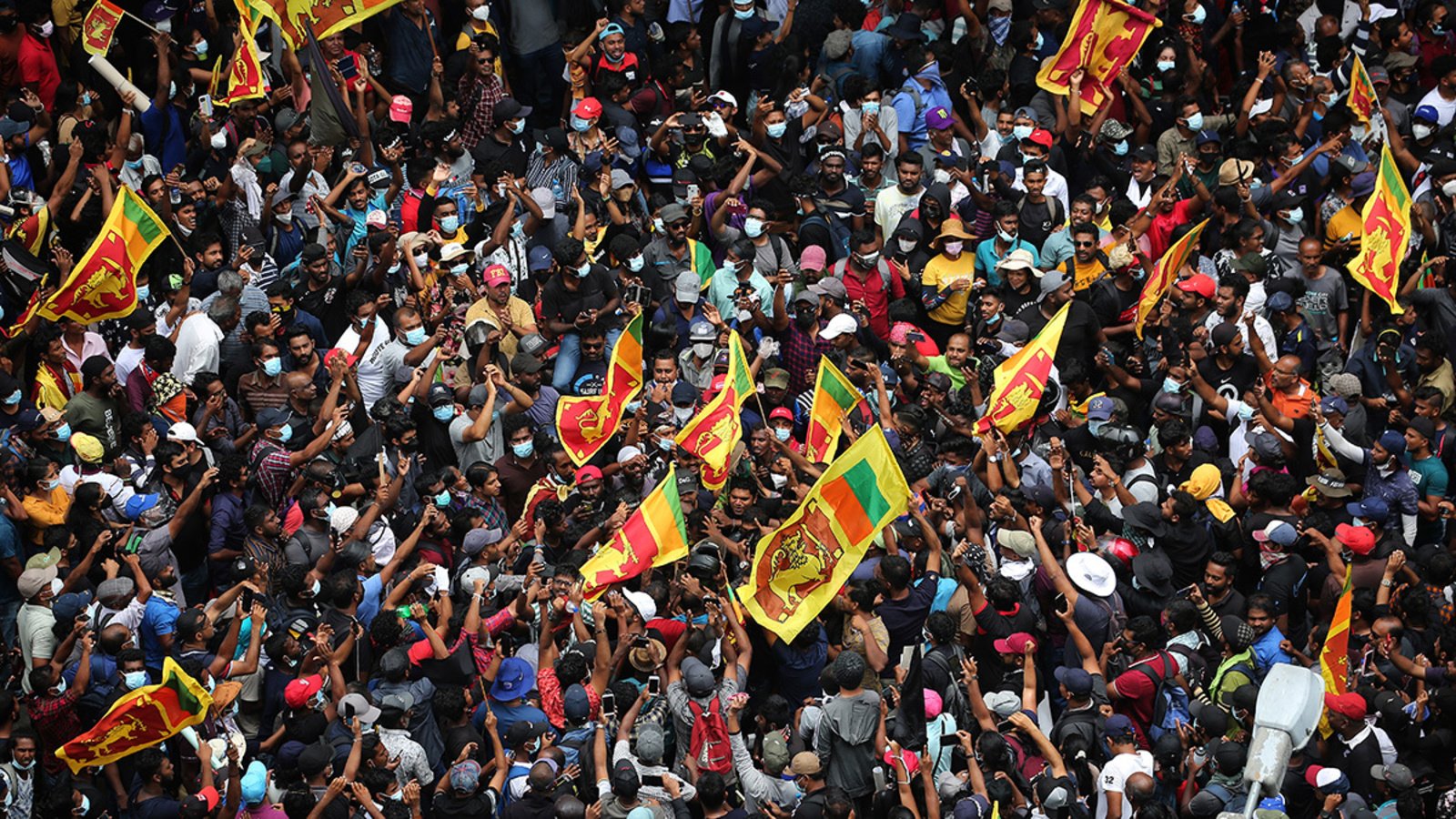
There is a strange feeling that defines the present moment: the sense that everything is speeding up, yet nothing is truly moving forward. Technology becomes more powerful every year, communication
 05
05
It is possible for acts of care to be simultaneously admirable and politically problematic. Caring for others, communities, or democratic processes may improve immediate conditions while still unintentionally sustaining systems
 06
06
Abstract When humanity faces the possibility of self-destruction, is survival the only meaningful question left? Or should we also ask whether different kinds of “ending” exist—some imposed by a few,