





This article examines how modern capitalism is shaped not only by economic structures but also by the way modern societies perceive and relate to material objects. It argues that post-Enlightenment

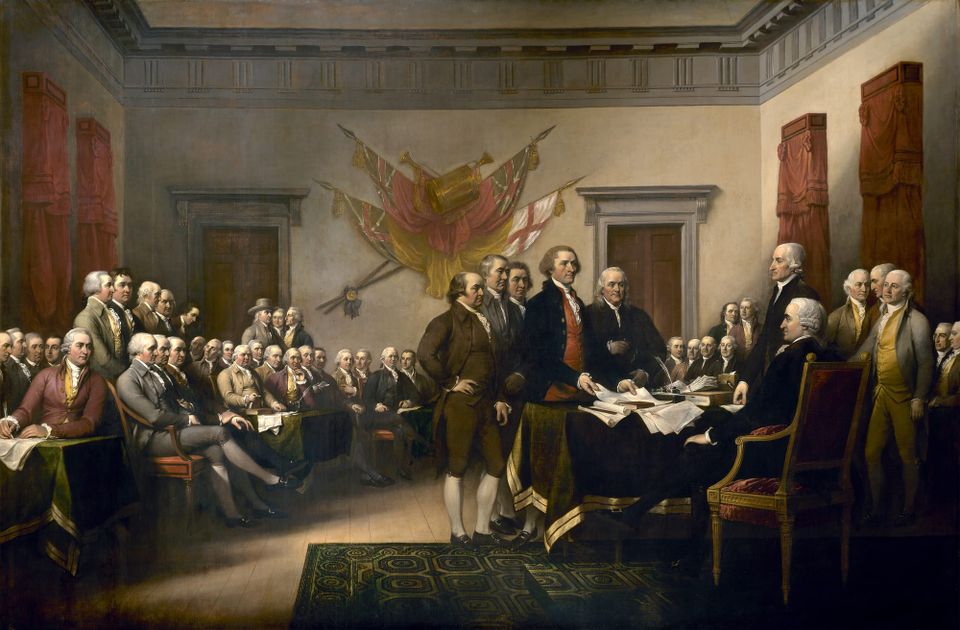
One of the most persistent questions in modern historiography is deceptively simple: was the American Revolution actually a revolution? The short answer is yes—but that answer quickly becomes complicated when
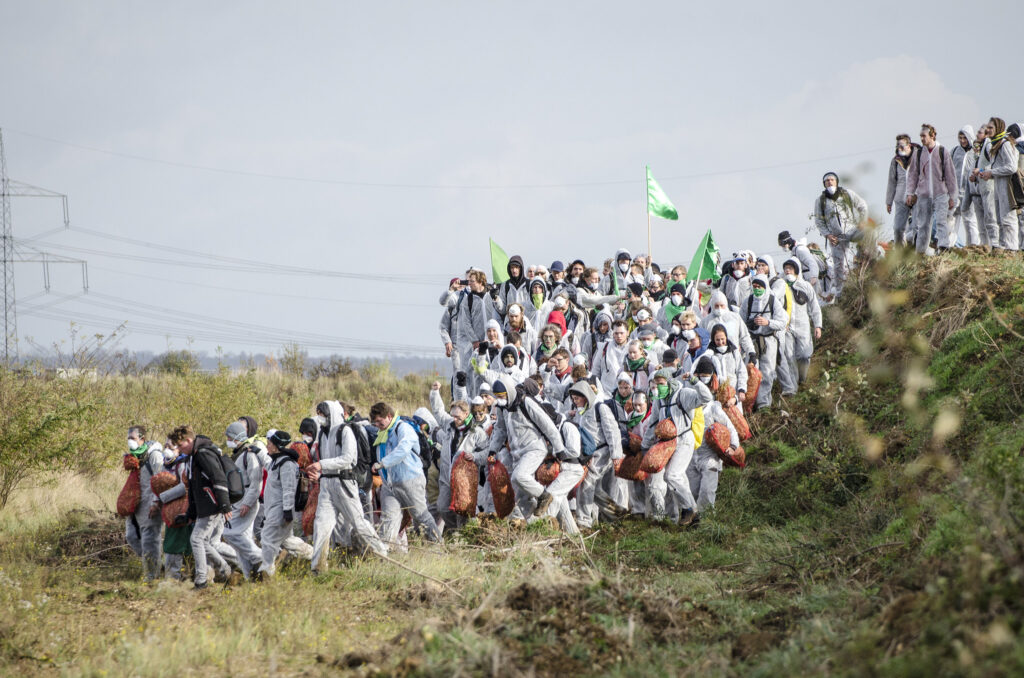
Der Historiker und Aktivist Milo Probst plädiert in seinem neu erschienenen Buch „Für einen Umweltschutz der 99%“ nicht nur für intersektionale Klassenpolitik als Ausgangspunkt aktueller Umweltbewegungen. Er erinnert auch an
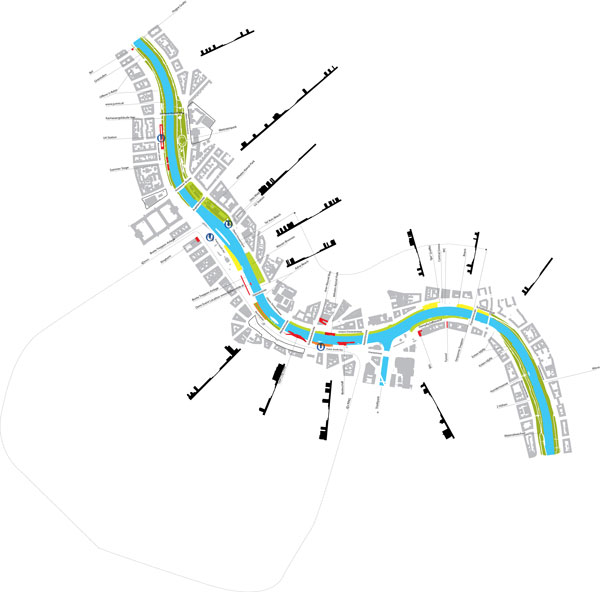
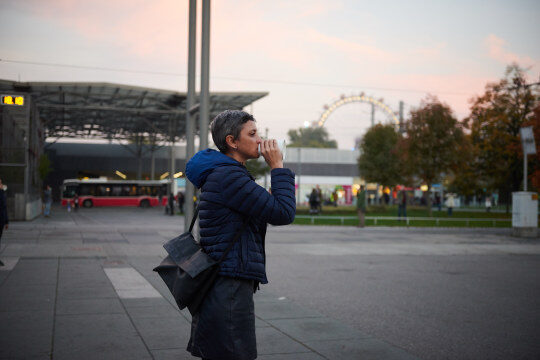
//Textmontage zur künstlerischen Intervention EXPLOSION DERSTILLE am 19.10.2017 auf dem Praterstern in Wien von Claudia Bosse eine versammlung, eine konstellation von körpern. körper, die den öffentlichen raum durchsetzen, grenzen, zonen
von Nello Fragner Als Sina Holst mich fragte, ob ich zum Sammelband Wege zum Nein einen Text beitragen wollte, saßen wir einander gegenüber und hatten Blickkontakt. Es berührte mich zu
01
 02
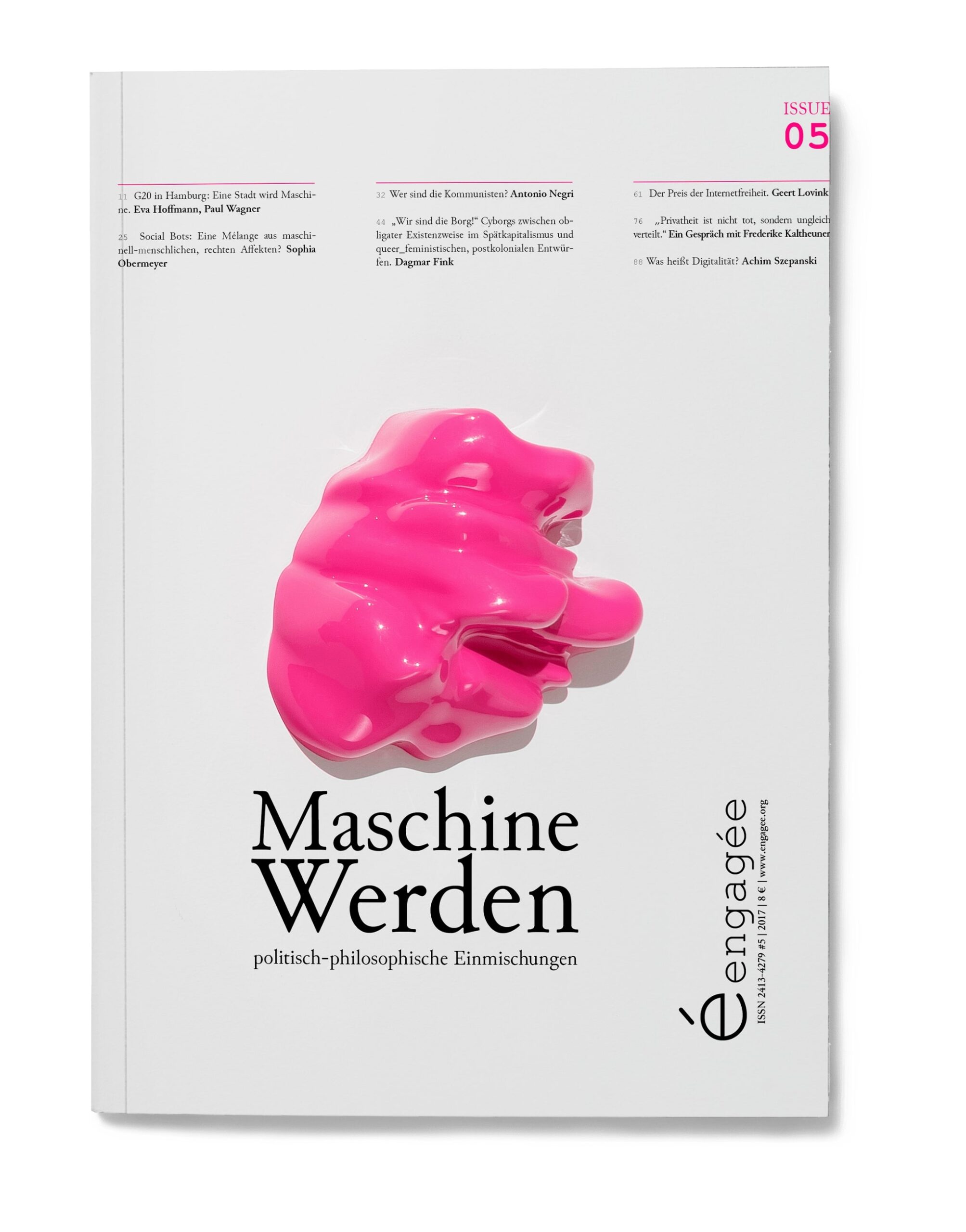
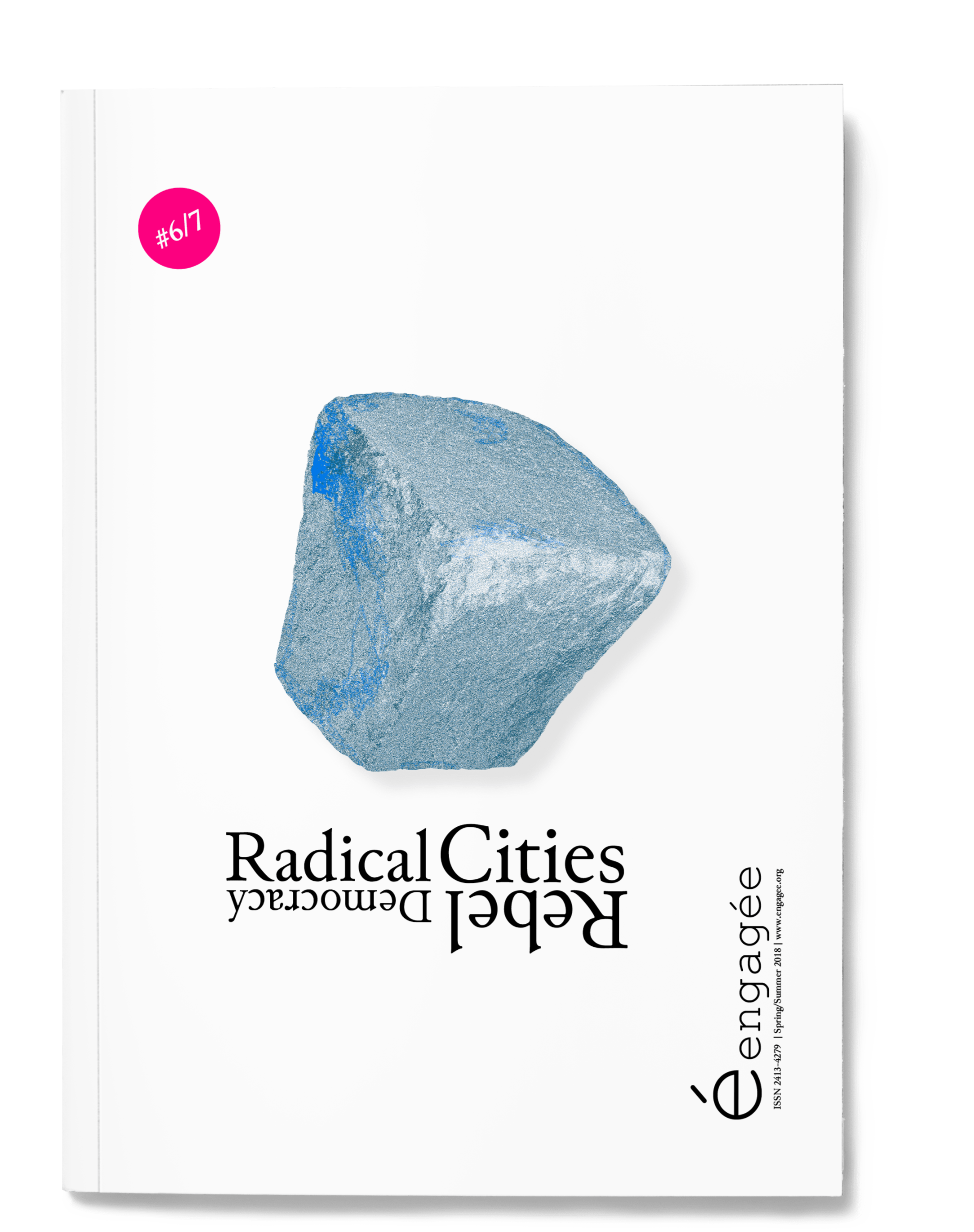
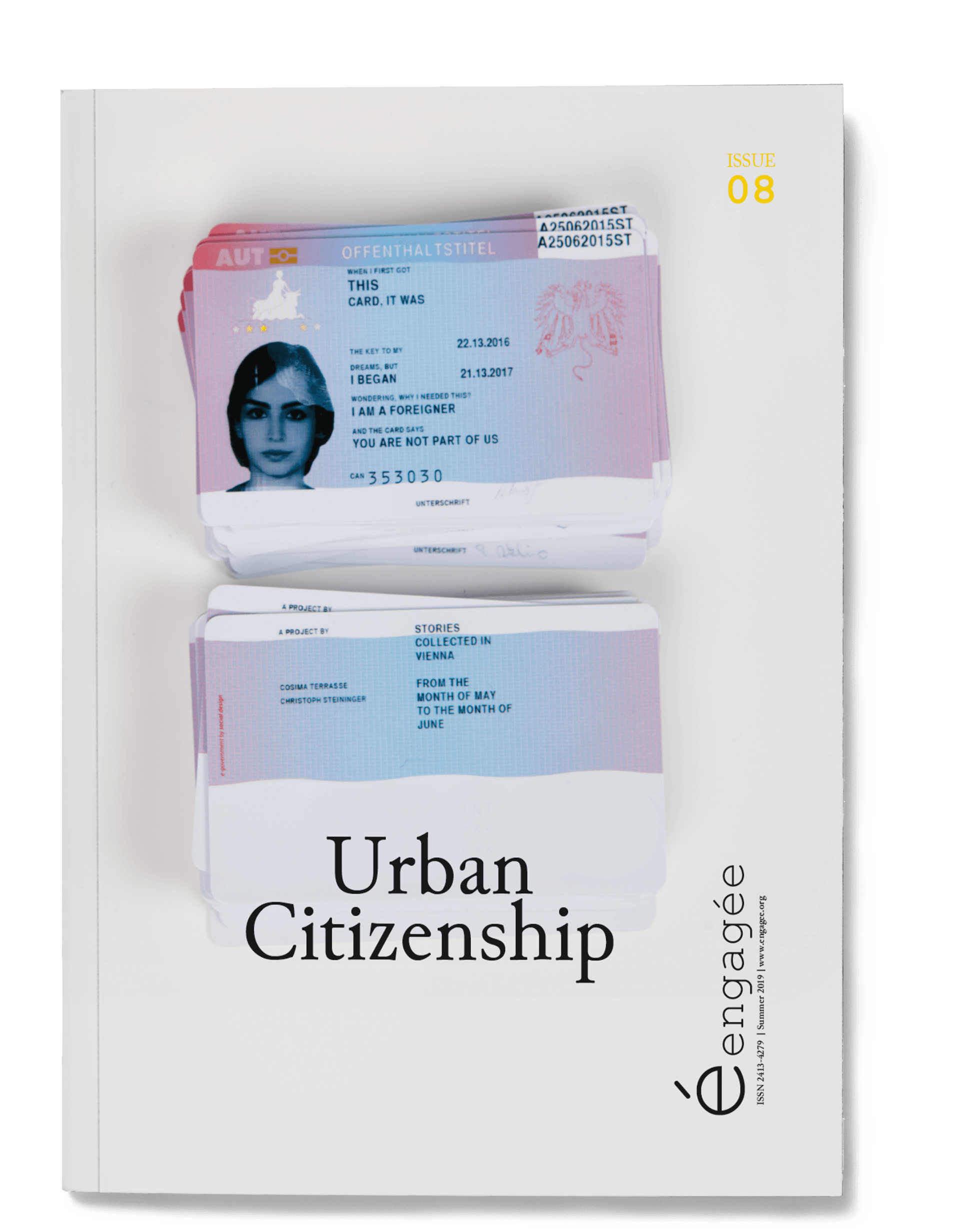
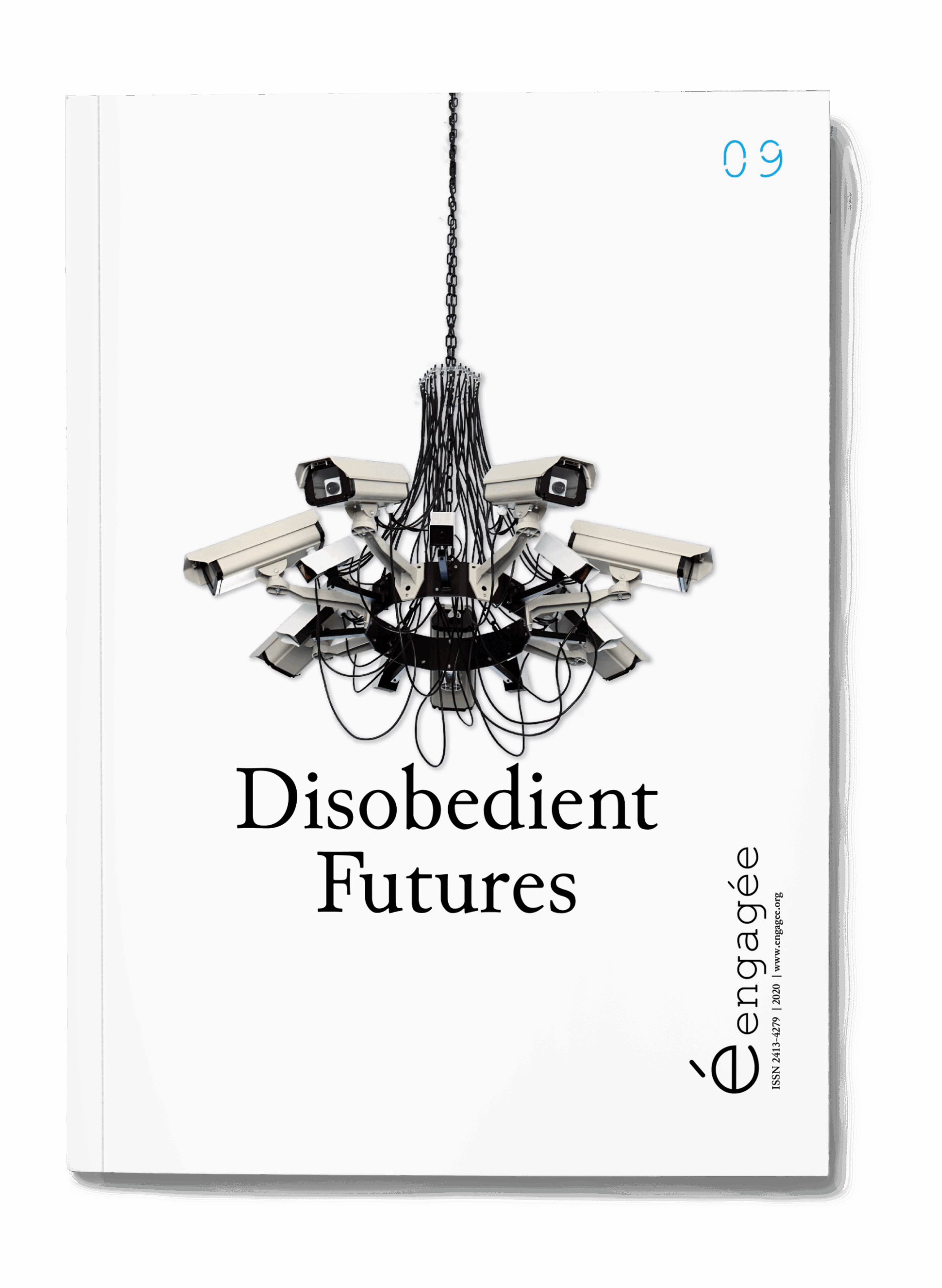

 01
It’s hard to point to a single moment when society became “digital.” There was no switch flipped overnight, no clear before and after. Instead, what we’ve been living through is

 02
The 1996 U.S. presidential election is often remembered for something political analysts called the “gender gap.” Women voted for Bill Clinton over Bob Dole by a wide margin (59% to
 03
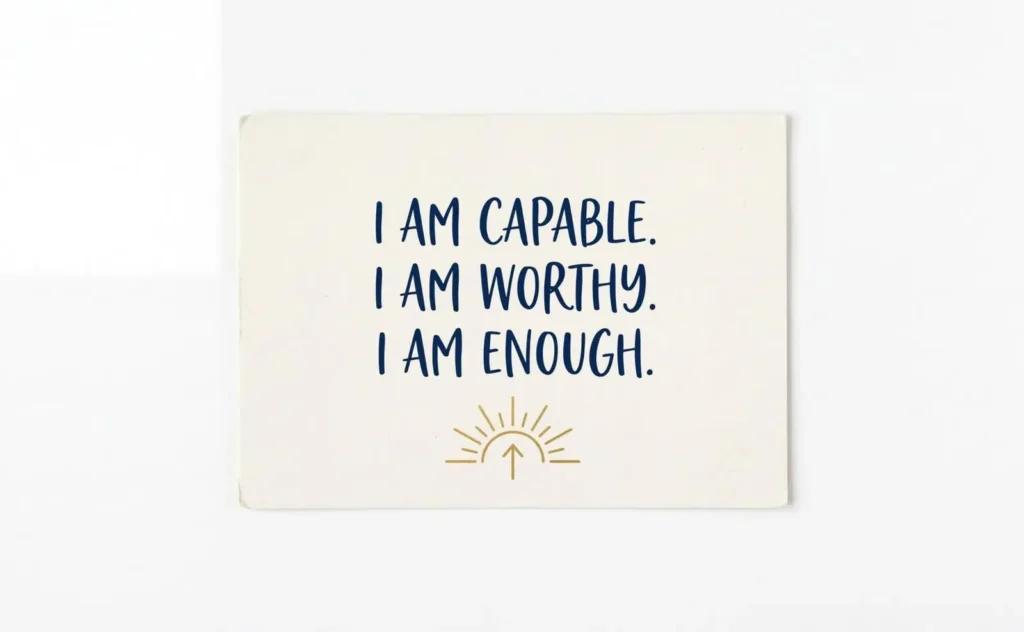
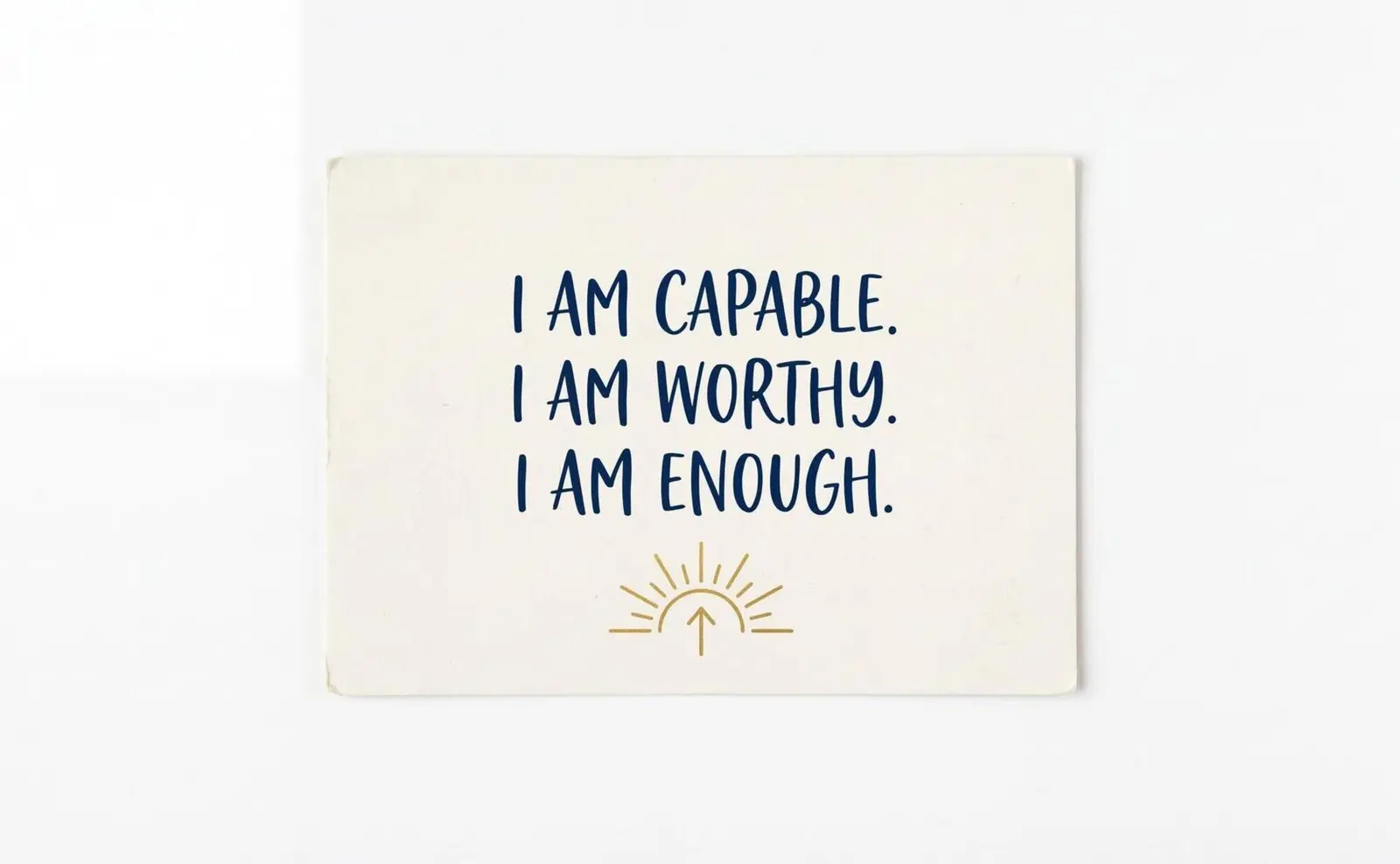
Most people roll their eyes when they hear the word “affirmations.” And honestly, that reaction makes sense. A lot of what circulates online feels fake, overly positive, or completely disconnected
04
There is a strange feeling that defines the present moment: the sense that everything is speeding up, yet nothing is truly moving forward. Technology becomes more powerful every year, communication
 05
It is possible for acts of care to be simultaneously admirable and politically problematic. Caring for others, communities, or democratic processes may improve immediate conditions while still unintentionally sustaining systems
 06
Abstract When humanity faces the possibility of self-destruction, is survival the only meaningful question left? Or should we also ask whether different kinds of “ending” exist—some imposed by a few,